
At first, the change can seem almost invisible.
A partner who used to share everything suddenly shares less.
A couple who used to talk for hours now mostly discusses schedules, bills, and daily responsibilities.
A person who once reached out for comfort starts saying, “I’m fine.”
Nothing dramatic happened.
There was no major fight. No obvious betrayal. No single moment where everything changed.
Yet something feels different.
This is one of the most confusing experiences in relationships: feeling emotionally distant from someone you still love.
Psychology suggests that emotional withdrawal often does not begin with a lack of love. Instead, it can develop through small emotional shifts that slowly change how connected, understood, and safe two people feel with each other.
Table of Contents
The Short Answer
Emotional withdrawal in relationships often starts with small changes because emotional connection is built through everyday moments of attention, understanding, and emotional responsiveness.
When those moments decrease over time, a person may slowly begin protecting themselves by:
- sharing less
- expressing fewer emotions
- avoiding difficult conversations
- expecting less from the relationship
- becoming emotionally independent
This process usually happens gradually.
A person may not wake up one day and decide:
“I’m going to become distant.”
Instead, their brain may begin adapting to repeated experiences of disappointment, stress, conflict, or emotional disconnection.
Common reasons emotional withdrawal can develop include:
- feeling unheard or misunderstood
- unresolved relationship conflicts
- emotional exhaustion
- fear of vulnerability
- chronic stress
- attachment patterns
- loss of emotional intimacy
The important insight is:
Emotional withdrawal is often a response to something a person is experiencing internally—not always a sign that love has disappeared.
1. Emotional Withdrawal Usually Begins With Small Moments of Disconnection

Most people imagine relationship problems beginning with something big.
A serious argument.
A betrayal.
A major disagreement.
But many emotional disconnects begin much earlier.
They begin with small moments:
- A partner shares something important, but receives little attention.
- A concern is mentioned but never discussed deeply.
- Appreciation becomes less frequent.
- Quality time slowly decreases.
- Conversations become mostly practical.
One moment may not seem important.
But repeated experiences shape how people feel inside relationships.
Over time, someone may start thinking:
“Maybe my feelings are not that important.”
“Maybe it is easier not to bring things up.”
“Maybe they do not really want to know what I’m feeling.”
This is how emotional distance can quietly grow.
2. People Often Withdraw When They Stop Feeling Emotionally Safe
Emotional safety means feeling comfortable enough to be vulnerable.
It means being able to say:
“I’m struggling.”
“I need support.”
“That hurt me.”
“I feel insecure.”
When people feel emotionally safe, they usually move toward connection.
When they do not feel safe, they often protect themselves.
They may stop sharing because they fear:
- criticism
- rejection
- conflict
- being misunderstood
- appearing needy
Psychologically, withdrawal can become a coping strategy.
The person is not necessarily thinking:
“I don’t care anymore.”
They may actually be thinking:
“I don’t know how to express this without getting hurt.”
3. Stress Can Quietly Reduce Emotional Availability
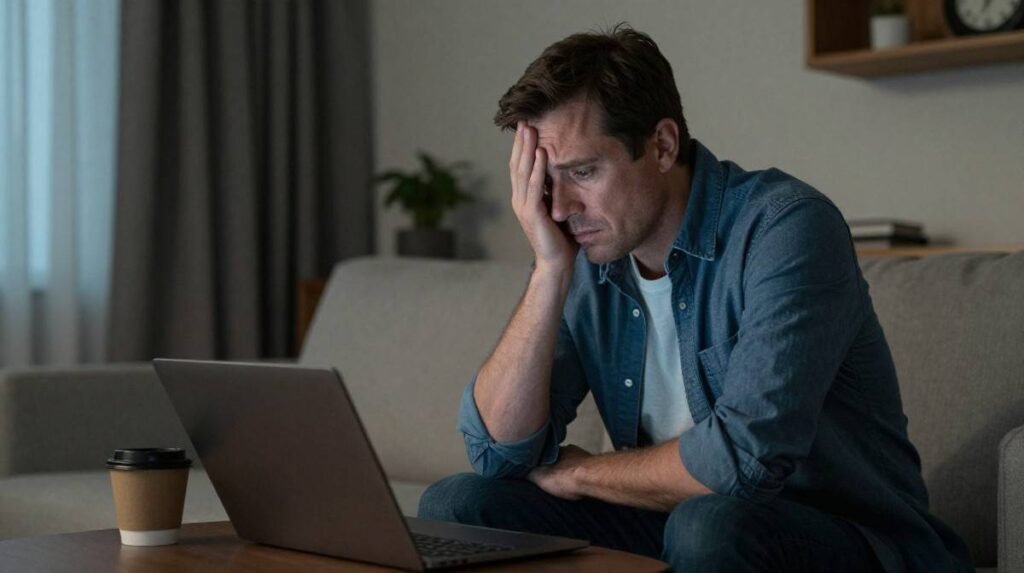
Sometimes emotional withdrawal has little to do with the relationship itself.
Life stress can consume emotional energy.
A person dealing with:
- demanding work
- financial pressure
- parenting responsibilities
- health concerns
- burnout
may simply have less emotional capacity.
They may still love their partner deeply.
But their mind is focused on survival, problem-solving, and getting through the day.
The relationship becomes focused on:
“What needs to be done?”
instead of:
“How are we feeling?”
4. Avoiding Difficult Conversations Can Create Emotional Distance
Many people avoid uncomfortable conversations because they want peace.
But avoiding everything difficult can slowly weaken emotional intimacy.
Unspoken feelings often become:
- resentment
- frustration
- disappointment
- emotional shutdown
A person may start thinking:
“I already explained this before.”
“It won’t change anything.”
“It is easier to stay quiet.”
Eventually, silence becomes a habit.
The relationship may appear calm, but emotional closeness may be decreasing underneath.
5. Attachment Styles Can Influence Emotional Withdrawal
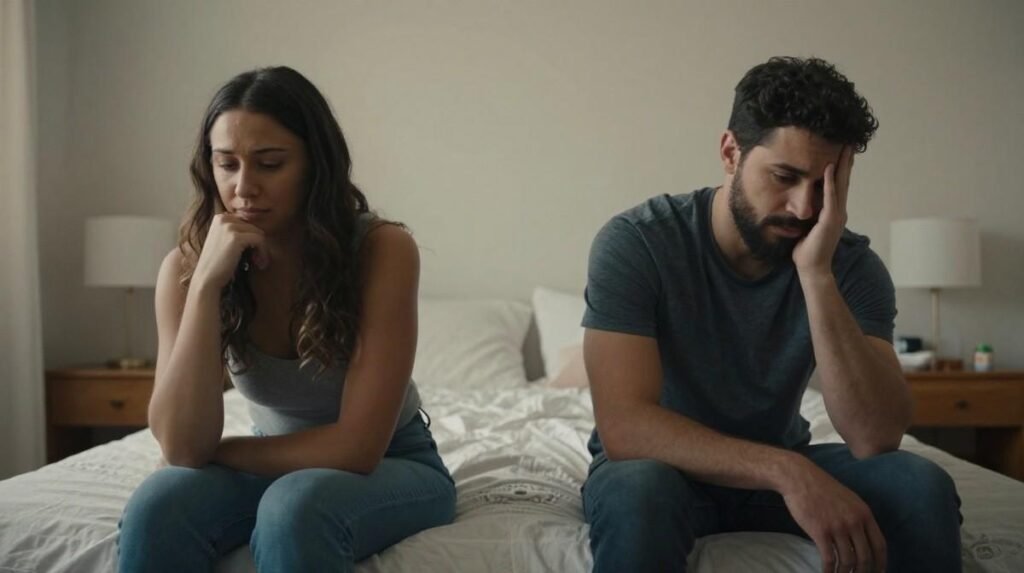
Attachment psychology provides another possible explanation.
Some people naturally feel uncomfortable with intense emotional dependence.
People with stronger avoidant attachment tendencies may:
- prefer solving problems alone
- need more emotional space
- struggle with vulnerability
- withdraw during intense emotional moments
People with fearful-avoidant attachment patterns may experience a confusing push-pull cycle:
“I want closeness.”
“But closeness also feels scary.”
This does not mean someone does not care.
Often, withdrawal is about managing emotional discomfort rather than avoiding love.
6. Emotional Withdrawal Can Become a Relationship Cycle
One person withdraws.
The other person feels rejected.
They try harder to reconnect.
The withdrawing person feels pressured and creates more distance.
The cycle continues.
Both people may secretly think:
“They don’t understand me.”
But both may actually be experiencing the same thing:
“I don’t feel emotionally safe right now.”
Understanding the cycle is often the first step toward changing it.
What Research Suggests
Relationship research consistently shows that emotional responsiveness plays a major role in relationship satisfaction.
People generally feel more secure when their partner:
- listens
- responds with empathy
- acknowledges feelings
- shows appreciation
- creates emotional safety
Research on relationship conflict also suggests that repeated withdrawal during disagreements can become harmful when it prevents repair and connection.
However, needing occasional space is normal.
Healthy relationships include both:
connection and independence.
The concern is when emotional distance becomes the main way someone handles stress, conflict, or vulnerability.
What This Doesn’t Necessarily Mean
Emotional withdrawal does not automatically mean:
- your partner stopped loving you
- the relationship is over
- someone is hiding something
- they never cared
- you are the cause
People withdraw for many reasons.
The goal is not to immediately assume the worst.
The goal is to understand what the withdrawal may be communicating.
What You Can Do With This Insight
If emotional distance appears in a relationship:
Start with curiosity, not blame.
Instead of:
“You never talk to me anymore.”
Try:
“I feel like we have been less connected lately. I miss feeling close to you.”
Focus on small reconnection moments:
- Ask meaningful questions
- Spend distraction-free time together
- Express appreciation
- Share emotions before they become resentment
- Create emotional safety
Small moments rebuild relationships.
Final Thought
Emotional withdrawal rarely begins with someone deciding to stop loving another person.
More often, it starts quietly.
A few missed conversations.
A few unspoken feelings.
A few moments where someone needed connection but felt alone.
Over time, these small experiences can create emotional distance between two people who still care deeply.
The psychology behind emotional withdrawal reminds us that relationships are not only maintained through love.
They are maintained through feeling:
seen, heard, understood, and emotionally safe.