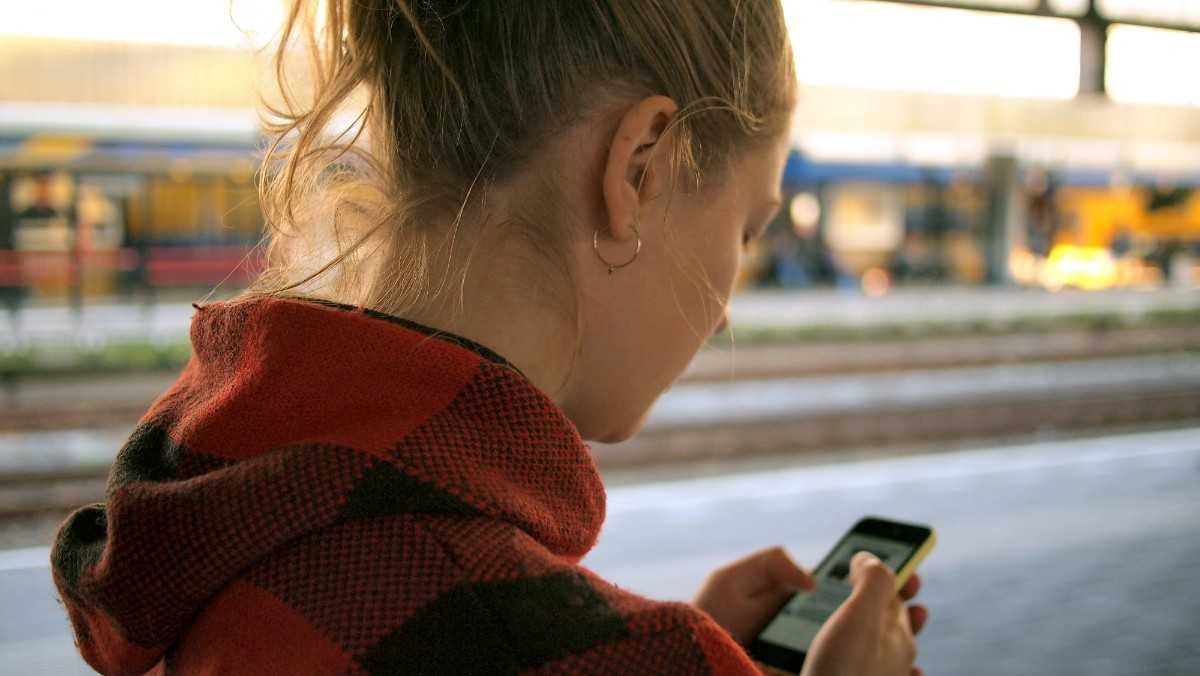
Almost everyone has experienced it.
You send a message.
You see it has been delivered.
Maybe it has even been read.
But there is no response.
For a few minutes, it feels normal. After a few hours, questions begin to appear:
“Did I say something wrong?”
“Are they upset?”
“Do they not care?”
The psychology behind unanswered messages is more complicated than simply ignoring someone.
A delayed response can come from many factors: emotional overload, attention problems, communication habits, stress, uncertainty, or even the pressure of wanting to give the “perfect” reply.
Understanding why people don’t respond can reveal fascinating insights about attention, emotions, relationships, and modern communication.
Texting Changed How Humans Experience Connection
Before smartphones, communication had natural delays.
A phone call required availability.
A letter required patience.
A conversation happened when two people were physically together.
Text messaging changed this expectation.
Because messages can arrive instantly, many people unconsciously assume responses should happen instantly too.
Psychologists call this a shift in communication expectations.
The technology is fast, but human emotions and attention still operate at a slower pace.
A person may receive a message immediately but not have the mental space to respond.
Sometimes the Brain Sees a Message as Another Task
A simple text can feel small:
“Hey, how are you?”
But the brain may interpret responding as a social responsibility.
A reply may require:
- deciding what to say
- choosing the right tone
- remembering context
- managing emotions
- continuing the conversation
For someone already experiencing stress, even a friendly message can feel like another unfinished task.
This is why some people open messages intending to reply later, but the response keeps getting postponed.
Emotional Overload Can Make People Withdraw
When people feel overwhelmed, they often reduce communication.
Stress affects attention, decision-making, and emotional availability.
Someone dealing with:
- work pressure
- family responsibilities
- personal problems
- exhaustion
- emotional stress
may unintentionally avoid messages because responding requires energy they feel they don’t have.
The silence is not always a statement about the relationship.
Sometimes it reflects the person’s current emotional capacity.
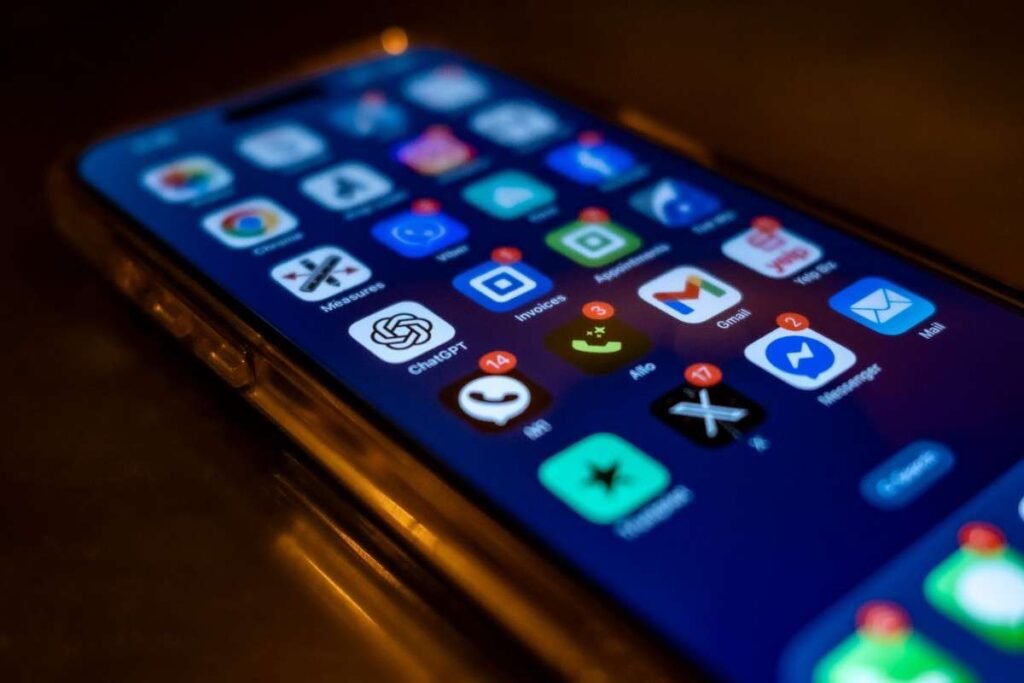
Why Some People Read Messages but Don’t Reply
This behavior is especially confusing because the person has already seen the message.
Several psychological factors can explain this.
1. The “I’ll Reply Later” Effect
People often believe they will respond when they have more time.
However, without a strong reminder, the brain can easily move on to other priorities.
2. Perfectionism
Some people delay responses because they want to write the perfect answer.
They think:
“I need to reply properly.”
“I don’t want to sound rude.”
“I’ll answer when I can focus.”
The intention is positive, but the result becomes silence.
3. Emotional Avoidance
Sometimes people delay messages because they involve uncomfortable emotions.
Examples:
- difficult conversations
- conflict
- apologies
- relationship discussions
- stressful decisions
Avoiding the message temporarily reduces discomfort.
Personality Differences Affect Texting Habits
Not everyone experiences digital communication the same way.
People Who Process Internally
Some individuals prefer time to think before responding.
They may value thoughtful replies over quick replies.
People Who Are Easily Distracted
Some people genuinely forget messages after seeing them.
Their intention was not to ignore someone—their attention simply shifted.
People Who Prefer In-Person Connection
Some individuals find texting emotionally limited.
They may care deeply about others but dislike maintaining relationships primarily through messages.
Why Unanswered Messages Feel So Personal
Humans are highly sensitive to social signals.
For thousands of years, belonging to a group was important for survival.
The brain developed strong reactions to signs of acceptance and rejection.
An unanswered message creates uncertainty.
The mind naturally tries to fill the information gap:
“Maybe they’re angry.”
“Maybe they don’t like me.”
“Maybe I did something wrong.”
This is why silence in digital communication can sometimes feel louder than words.
The Psychology of Uncertainty
One reason unanswered messages feel uncomfortable is that humans generally dislike uncertainty.
When we know someone is busy, the brain has an explanation.
When we don’t know why someone hasn’t replied, the brain searches for possibilities.
This process is connected to how humans interpret incomplete information.
The absence of information can sometimes create more emotional reactions than negative information itself.

What Research Suggests About Digital Communication
Psychology research on digital communication suggests that technology has changed relationship expectations.
People now experience:
- faster communication
- more frequent social comparison
- increased availability expectations
- pressure to maintain constant contact
However, healthy relationships still depend on the same foundations:
- trust
- understanding
- emotional support
- consistency
The speed of a reply does not always measure the depth of a relationship.
Common Misconceptions
Myth: A slow reply always means someone doesn’t care.
Reality: People delay responses for many reasons unrelated to their feelings toward you.
Myth: Fast replies always mean stronger interest.
Reality: Response speed is only one small part of communication.
Myth: Ignoring a message is always intentional.
Reality: Forgetfulness, stress, distraction, and emotional overload can all play a role.
Myth: Good relationships require constant texting.
Reality: Healthy relationships depend more on emotional quality than message frequency.
Practical Insights
If someone doesn’t respond, avoid immediately creating a negative story in your mind.
Consider multiple possibilities:
- Are they busy?
- Are they emotionally overwhelmed?
- Is the message difficult to answer?
- Is this their normal communication style?
At the same time, patterns matter.
Occasional delayed replies are normal.
Consistently dismissive communication may reveal something important about the relationship.
Psychology encourages looking at the bigger pattern rather than one unanswered message.
Final Thoughts
A missing text reply can feel like a small digital event, but the emotions behind it are surprisingly complex.
Sometimes silence means avoidance.
Sometimes it means stress.
Sometimes it simply means a person is living inside a busy mind and forgot to return to the conversation.
The psychology of unanswered messages reminds us that behind every screen is a human being with emotions, habits, limitations, and experiences we cannot always see.
Before assuming silence is rejection, remember:
A delayed response is information—but it is not always the whole story.