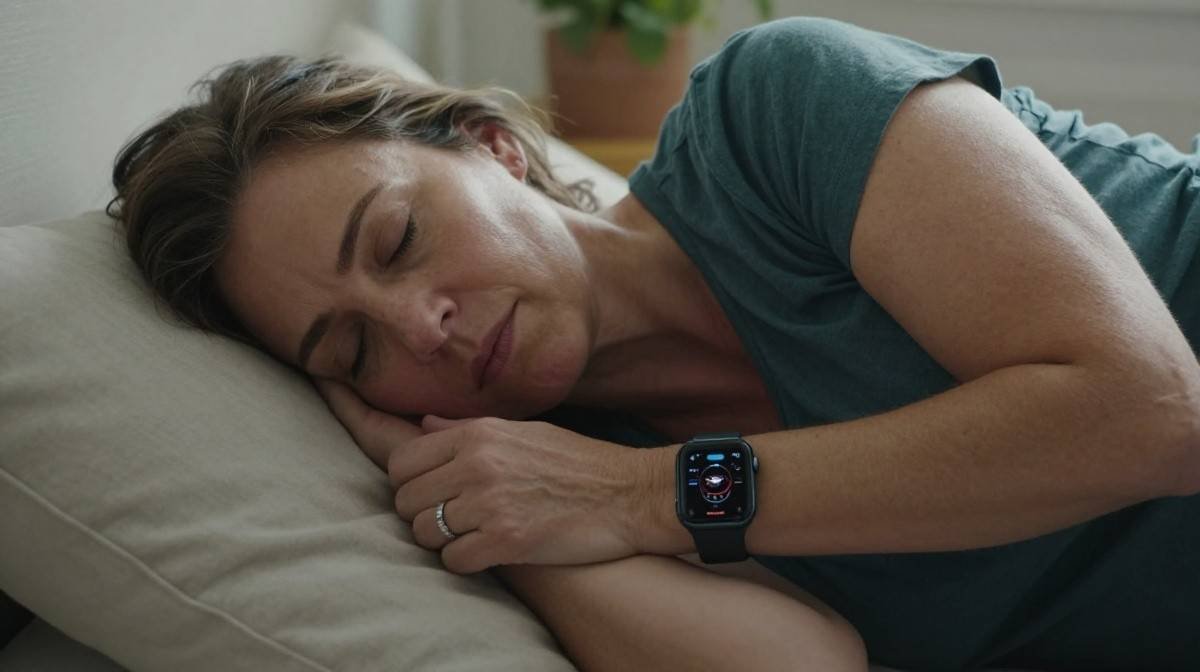
From counting steps to monitoring sleep and heart rate, smartwatches have become part of everyday life for millions of Americans. Psychology and behavioral science suggest these devices can influence motivation, awareness, and habit formation—but they may also have unexpected psychological effects.
The Everyday Habit
Wearing a smartwatch has become one of the most common health-related habits in modern life.
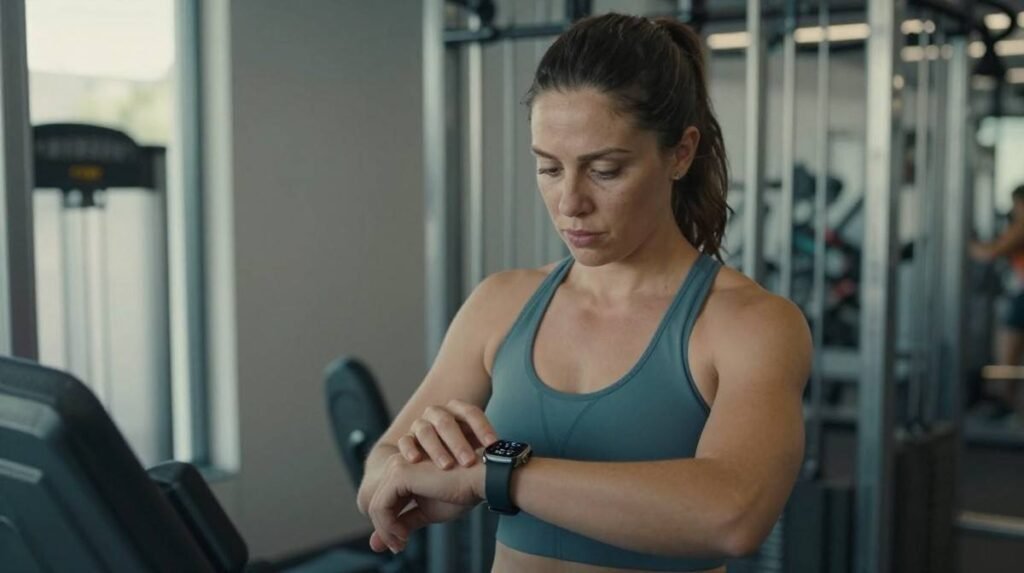
Whether it’s an Apple Watch, Fitbit, Garmin, Samsung Galaxy Watch, or another wearable device, millions of people glance at their wrists throughout the day to check their step count, heart rate, sleep score, calorie burn, or activity rings.
Psychologists are interested in this behavior because wearable technology doesn’t simply collect information—it can also shape how people think about their health, make decisions, and build habits.
Current research suggests that while smartwatches can encourage healthier behaviors for many people, their psychological impact depends on how they’re used.
What Psychology Calls This Behavior
There is no single psychological diagnosis for wearing a smartwatch to track health.
Instead, researchers study it through several well-established concepts, including:
- Self-monitoring – observing and recording one’s own behaviors or health metrics.
- Behavioral self-regulation – using feedback to guide future actions.
- Health behavior change – adopting habits that support physical well-being.
- Digital health engagement – interacting with technology to monitor or improve health.
Behavioral psychology considers self-monitoring one of the most effective tools for supporting long-term habit change.
Why Do People Wear Smartwatches to Track Their Health?
1. Real-Time Feedback Increases Awareness
Many health behaviors happen automatically.
A smartwatch makes invisible behaviors visible by showing:
- daily steps
- heart rate
- exercise minutes
- sleep duration
- standing time
Research suggests immediate feedback helps people become more aware of habits they might otherwise overlook.
2. Goals Can Increase Motivation
Behavioral science shows that specific, measurable goals often improve motivation.
Daily targets—such as 10,000 steps or 30 active minutes—give people a clear objective and regular feedback on their progress.
For many users, this creates a sense of accomplishment that encourages consistency.
3. Small Rewards Reinforce Healthy Habits
Many wearable devices celebrate milestones with badges, streaks, or notifications.
Behavioral psychologists describe this as positive reinforcement.
Receiving immediate rewards after completing a healthy behavior may increase the likelihood of repeating that behavior.
4. Monitoring Can Improve Accountability
Knowing that today’s activity is being recorded may encourage people to take an extra walk, stand up more often, or exercise consistently.
Research suggests self-monitoring is one of the strongest behavioral techniques for maintaining health-related habits.
5. Some People Find Health Data Reassuring
For some individuals, seeing normal heart rate trends or consistent sleep patterns provides reassurance.
However, researchers also note that excessive checking may increase worry in certain people, particularly those who are highly concerned about their health.
Evidence suggests the psychological effects vary widely between individuals.
What Research Says
| Research Finding | What It Means |
| Self-monitoring supports behavior change. | Tracking daily activity can improve awareness of health habits. |
| Wearable devices often increase physical activity. | Many users become more active after receiving regular feedback. |
| Goal setting improves consistency. | Daily targets can encourage healthier routines. |
| Digital rewards may strengthen habits. | Badges, streaks, and reminders can reinforce healthy behaviors. |
| Effects vary between individuals. | Some users feel motivated, while others may become overly focused on health metrics. |
| Long-term success depends on sustained engagement. | Benefits often decrease if people stop using the device consistently. |
Common Triggers
People are more likely to rely on health-tracking smartwatches when they:
✓ Start a fitness program
✓ Try to lose weight
✓ Improve sleep habits
✓ Recover after illness
✓ Train for a race or event
✓ Receive medical advice to become more active
✓ Monitor heart rate during exercise
✓ Build healthier daily routines
Myth vs. Fact
| Myth | Fact |
| Smartwatches always improve health. | They can support healthy habits, but lasting change still depends on personal behavior. |
| Every health reading is perfectly accurate. | Consumer wearables are useful but are not medical-grade devices for every measurement. |
| More tracking always leads to better health. | Excessive monitoring may increase stress for some people. |
| Missing a daily goal means you’re unhealthy. | Daily health naturally varies, and occasional missed goals are normal. |
| Smartwatches can diagnose medical conditions. | They can identify patterns or alerts, but they do not replace professional medical evaluation. |
What Neuroscience Suggests
Neuroscience suggests that immediate feedback activates brain systems involved in learning, motivation, and reward.
Seeing progress—such as increasing step counts or closing activity rings—may reinforce healthy behaviors by strengthening the connection between effort and reward.
Researchers also believe that repeated cues and reminders can help shift intentional behaviors into automatic habits over time.
However, scientists continue studying how constant digital feedback affects attention, motivation, and emotional well-being over the long term.
When Is It Completely Normal?
Using a smartwatch to monitor health is generally considered a normal lifestyle habit.
For many people, wearable technology helps:
- stay physically active
- establish exercise routines
- improve sleep awareness
- build consistent healthy habits
- monitor fitness progress
Current evidence suggests these devices can be valuable tools when used as guides rather than sources of constant reassurance.
When Could It Be Worth Paying Attention?
Health tracking may become less helpful if it:
- creates persistent anxiety about normal body changes
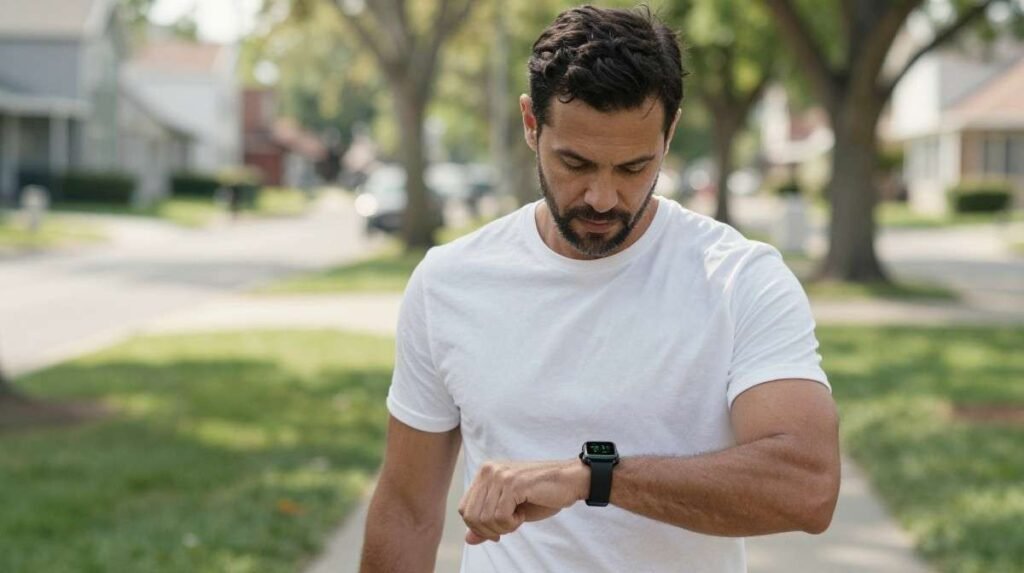
- leads to compulsive checking throughout the day
- interferes with work, relationships, or daily activities
- causes distress when goals are missed
- replaces professional medical advice
If health tracking begins causing significant worry or affecting quality of life, discussing those concerns with a healthcare professional may be appropriate.
Practical Takeaways
- Use smartwatch data as a guide rather than a judgment.
- Focus on long-term trends instead of daily fluctuations.
- Set realistic activity goals that fit your lifestyle.
- Avoid repeatedly checking health metrics without a clear reason.
- Combine wearable feedback with healthy sleep, exercise, and nutrition habits.
- Remember that consumer devices complement—but do not replace—professional medical care.
Frequently Asked Questions (FAQS)
Is wearing a smartwatch good for your health?
Research suggests smartwatches can support healthier behaviors by increasing awareness and encouraging physical activity. Their benefits depend largely on how consistently and thoughtfully they’re used.
Can a smartwatch improve motivation?
For many people, yes. Daily goals, reminders, and progress tracking can increase motivation, particularly during the early stages of building a new habit.
Can smartwatches make people anxious?
Some research suggests frequent monitoring may increase health-related worry in certain individuals, especially if they become overly focused on normal variations in health data.
Are smartwatch health readings always accurate?
Consumer smartwatches are generally useful for tracking trends, but they are not perfect and should not be considered a substitute for medical-grade assessments.
Why do people check their smartwatch so often?
Behavioral science suggests instant feedback, curiosity, habit formation, and progress monitoring all contribute to frequent checking.
Should I rely on my smartwatch instead of seeing a doctor?
No. Smartwatches can provide useful information but are designed to complement—not replace—professional medical evaluation and advice.
The Bottom Line
Smartwatches have changed how many people think about their health by making daily behaviors easier to observe and measure.
Current research suggests that self-monitoring, goal setting, and immediate feedback can support healthier habits for many individuals. At the same time, psychologists emphasize that wearable technology works best as a helpful tool—not as a constant source of reassurance or pressure.
Ultimately, lasting health improvements come from consistent behaviors, while a smartwatch simply provides information that may help guide those choices.