
Reusable tumblers have become a familiar sight in offices, gyms, classrooms, and even grocery stores. Psychology and behavioral science suggest this everyday habit may be influenced by convenience, habit formation, social norms, and health motivation—not just a desire to stay hydrated.
The Everyday Habit
From morning commutes to afternoon meetings, carrying a large reusable tumbler has become part of many people’s daily routine.
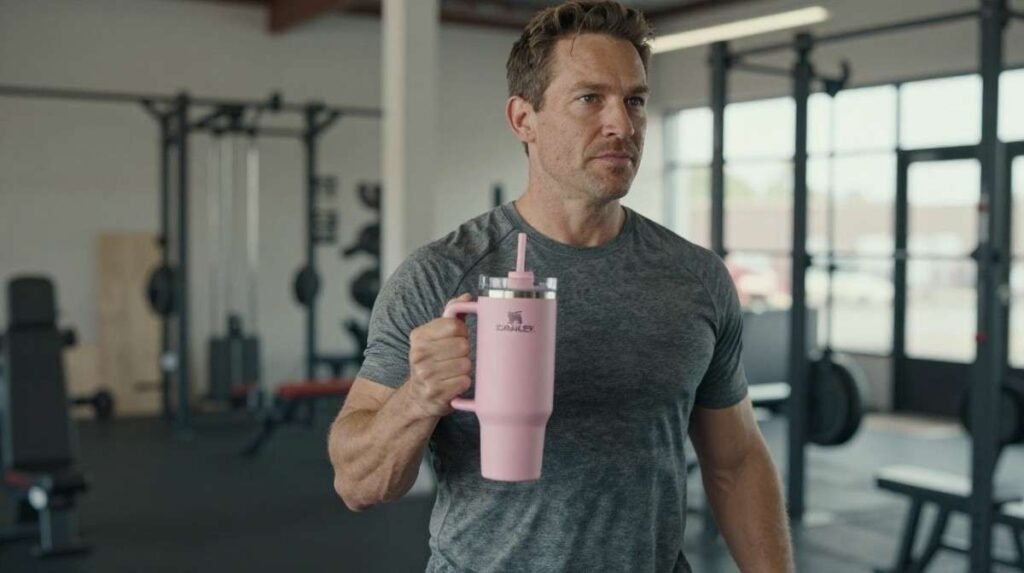
Stanley-style tumblers—with their large capacity, insulated design, and easy-to-carry handles—are especially popular. Many people rarely leave home without one, taking it to work, the gym, school, road trips, or while running errands.
While the trend is often associated with hydration, psychologists are interested in why certain everyday objects become deeply integrated into daily life. Research suggests the behavior is influenced by a combination of health goals, convenience, habit formation, environmental awareness, and social influences.
For many people, carrying a tumbler eventually becomes so automatic that forgetting it can feel as unusual as leaving home without a wallet or phone.
What Psychology Calls This Behavior
There is no single psychological diagnosis for carrying a reusable tumbler.
Instead, researchers study this behavior through several psychological concepts, including:
- Habit formation
- Self-monitoring
- Health behavior adoption
- Environmental cueing
- Identity-based behavior
- Social norm influence
Behavioral psychology suggests that repeated actions performed in stable environments can gradually become automatic habits requiring little conscious effort.
Why Do People Carry a Stanley-Style Tumbler Everywhere?
1. It Serves as a Constant Environmental Reminder
Behavioral science suggests that visible objects often act as cues for healthy behaviors.
Keeping a tumbler within sight reminds people to drink water throughout the day, making hydration more likely than relying on memory alone.
Researchers believe environmental cues can reduce the mental effort needed to maintain healthy habits.
2. Repetition Turns It Into an Automatic Habit
Many people begin carrying a tumbler intentionally but continue doing so without much thought after weeks or months.
Habit research indicates that repeating the same behavior in consistent contexts—such as leaving for work each morning—can gradually make it automatic.
Eventually, grabbing the tumbler may become part of the same routine as picking up keys or a phone.
3. It Supports Personal Health Goals
Psychologists studying behavior change have found that visible reminders often reinforce personal goals.
For some people, carrying a water bottle reflects a commitment to:
- drinking more water
- reducing sugary beverages
- supporting exercise routines
- improving overall wellness
The tumbler itself doesn’t create healthier behavior, but it may help reinforce existing intentions.
4. Social Influence Can Shape Everyday Habits
Behavior is often influenced by what people observe around them.
As reusable tumblers became increasingly common in workplaces, schools, fitness centers, and on social media, carrying one became a familiar and socially accepted behavior.
Researchers describe this as social norm influence, where widespread behaviors become more likely simply because they are commonly observed.
5. It Can Become Part of Personal Identity
Behavioral scientists suggest that some everyday objects eventually become associated with how people see themselves.
For example, carrying a reusable tumbler may align with identities such as:
- someone who values health
- someone who exercises regularly
- someone who tries to stay organized
- someone who prefers environmentally conscious choices
Current research suggests identity-based habits are often more durable than habits motivated only by short-term goals.
What Research Says
| Research Finding | What It Means |
| Environmental cues support healthy habits. | Keeping water nearby increases opportunities to drink throughout the day. |
| Habit formation depends on repetition and context. | Daily routines make carrying a tumbler increasingly automatic. |
| Self-monitoring can improve health behaviors. | Tracking or noticing water intake may encourage better hydration habits. |
| Social norms influence everyday decisions. | Seeing others carry reusable bottles can encourage similar behavior. |
| Identity-based habits often last longer. | People may maintain behaviors that align with their personal values or lifestyle. |
| Research on hydration reminders is generally supportive, though individual effects vary. | A reusable tumbler can be a helpful tool, but lasting behavior change depends on consistent personal choices. |
Common Triggers
People are more likely to carry a reusable tumbler when they:
✓ Start exercising regularly
✓ Begin a hydration challenge
✓ Work in an office
✓ Spend long hours commuting
✓ Travel frequently
✓ Want to reduce disposable plastic use
✓ Follow wellness content on social media
✓ Develop a daily morning routine
Myth vs. Fact
| Myth | Fact |
| Carrying a tumbler automatically means someone is healthier. | A reusable bottle can support healthy habits, but overall lifestyle matters more. |
| Everyone carries one because of social media. | Social influence is one factor, but convenience and habit are also important. |
| More water is always better. | Hydration needs vary depending on age, activity, climate, and health. |
| Forgetting your tumbler means you’re not disciplined. | Habits naturally vary from day to day. |
| Carrying a tumbler reveals personality. | Current research does not support drawing personality conclusions from this behavior alone. |
What Neuroscience Suggests
Neuroscience suggests that repeated behaviors become more automatic as the brain strengthens associations between environmental cues and routine actions.
When someone repeatedly picks up a tumbler before leaving home, the brain gradually links that object with the broader morning routine.
Researchers believe this process reduces the amount of conscious effort required to maintain everyday habits, allowing behaviors to become more efficient over time.

When Is It Completely Normal?
Carrying a reusable tumbler throughout the day is generally considered a normal and increasingly common lifestyle habit.
Many people do it to:
- stay hydrated
- save money
- reduce waste
- keep beverages at a preferred temperature
- support healthy daily routines
Current evidence suggests these motivations are practical rather than psychological concerns.
When Could It Be Worth Paying Attention?
Although carrying a tumbler is usually harmless, it may be worth reflecting on the behavior if:
- missing it causes significant distress
- hydration tracking becomes obsessive
- the habit interferes with daily activities
- it contributes to excessive water consumption despite medical advice
In these situations, discussing concerns with a healthcare professional may be appropriate.
Practical Takeaways
- Keep your tumbler somewhere visible if you’re trying to drink more water.
- Focus on consistent hydration rather than arbitrary daily targets.
- Build hydration into existing routines, such as meals or work breaks.
- Clean reusable bottles regularly to maintain hygiene.
- Use the tumbler as a reminder—not a measure of personal success.
Frequently Asked Questions (FAQS)
Is carrying a reusable tumbler a healthy habit?
For many people, yes. Keeping water easily accessible can encourage regular hydration, although overall health depends on many lifestyle factors.
Why has carrying a Stanley-style tumbler become so popular?
Researchers suggest convenience, social influence, habit formation, and health motivation all contribute to its popularity.
Does carrying a tumbler mean someone drinks more water?
Not necessarily, but studies suggest that having water readily available often increases opportunities to stay hydrated.
Is this behavior influenced by social media?
Social media may increase visibility and popularity, but behavioral science suggests convenience and repeated use are also major reasons the habit continues.
Can carrying a tumbler become an automatic habit?
Yes. Repeating the behavior in the same daily routine can make it increasingly automatic over time.
Does carrying a reusable tumbler reveal personality?
Current evidence does not support using this behavior alone to make conclusions about someone’s personality.
The Bottom Line
Carrying a Stanley-style tumbler everywhere is more than a passing trend for many people.
Behavioral research suggests the habit is shaped by environmental cues, routine, self-monitoring, social influence, and personal health goals. While the tumbler itself doesn’t create healthy behavior, it can serve as a practical reminder that supports consistent hydration and other positive daily habits.
Ultimately, psychology suggests that the most effective habits are often the ones made easier by our everyday environment—not by willpower alone.